



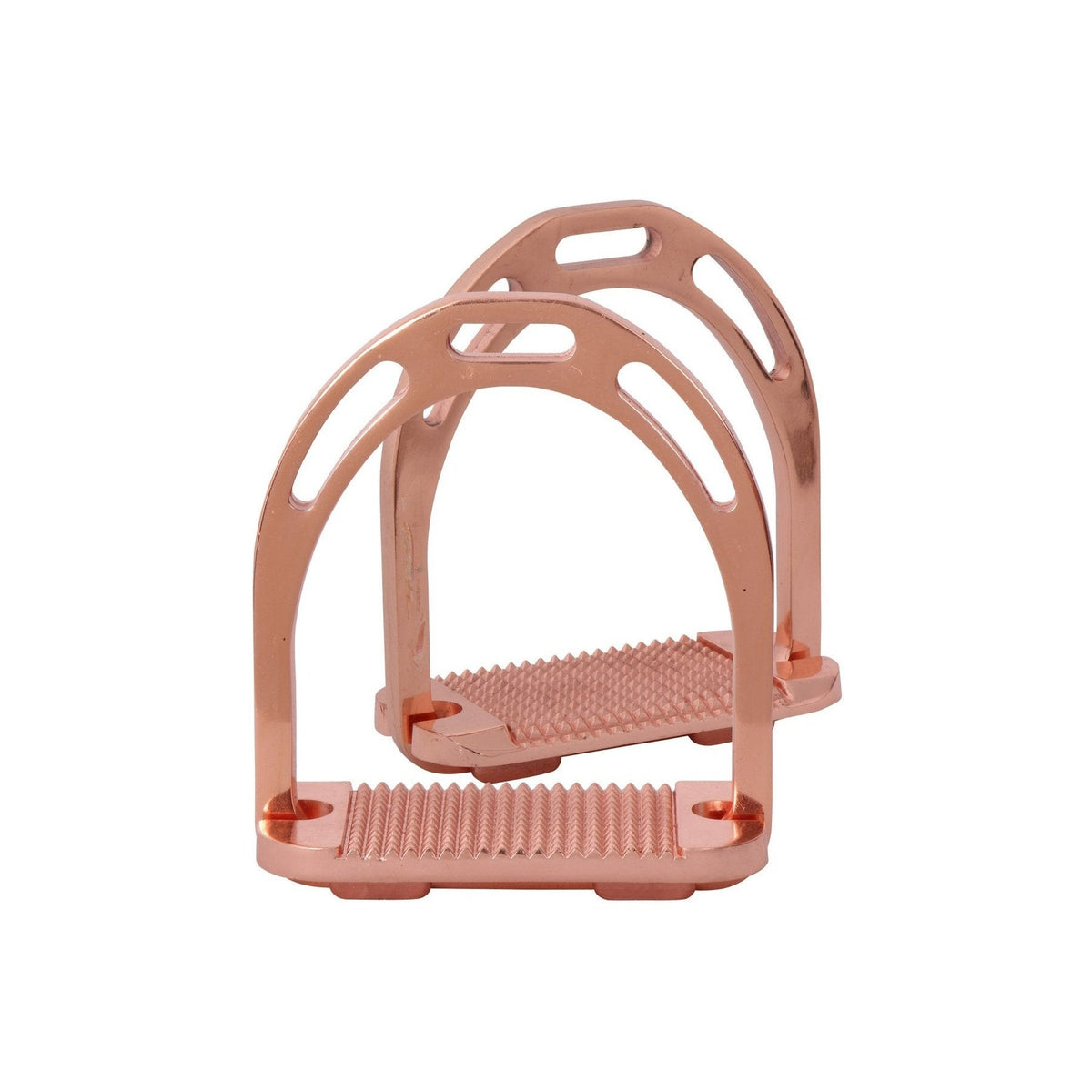
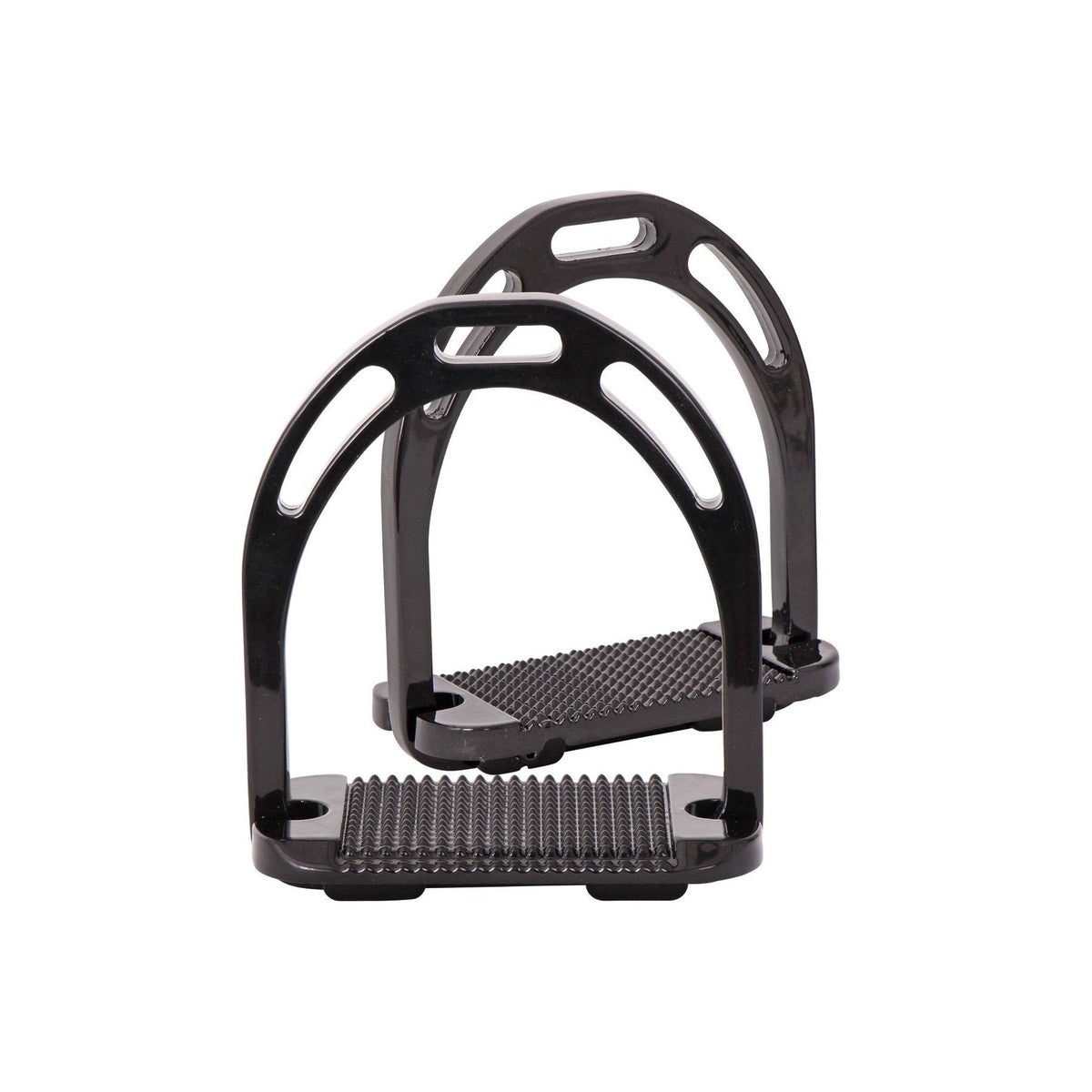
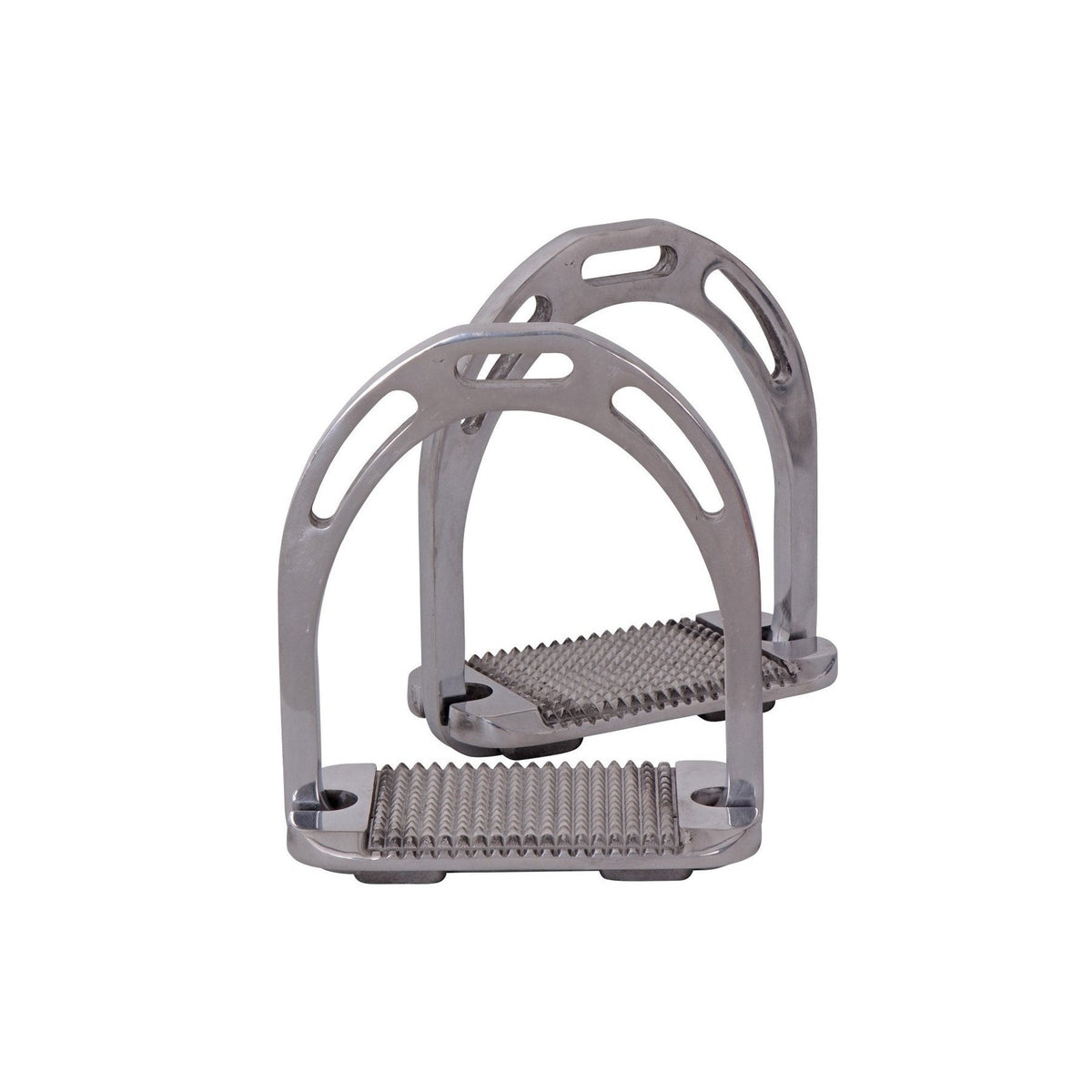
Platinum Lightweight Aluminium Stirrup Irons
- Regular price
-
$89.90 - Regular price
-
- Sale price
-
$89.90
Couldn't load pickup availability
Estimated Shipping Widget will be displayed here!
Shipping Info
Shipping & Pickup Information
Flat Rate Shipping via Post Haste (Excludes Feed):
- North Island: $10 (1-2 working days)
- South Island: $20 (2-3 working days)
- Rural Surcharge: +$6 (extra time may apply)
Feed Shipping per bag via Post Haste:
- Central North Island: $14 Per Bag
- Upper North Island: $18 Per Bag
- Lower North Island: $28 Per Bag
- South Island: $55 Per Bag
- Rural Surcharge: +$6 (extra time may apply)
Orders placed before 1 PM are usually shipped the same day.
Pick-up Info
Click & Collect - Tauranga Store
Free 24/7 pickup from our secure after-hours collection box. Email us if you’d like to collect after hours and we’ll send you the instructions.
Try Before You Buy - No Obligation
We keep limited stock in-store, so order online to secure the items you want to try.
At checkout, choose Click & Collect as your delivery method, then Cash on Delivery (COD) as your payment method. You won’t pay anything online.
We’ll bring your items into the store and let you know when they’re ready. Try them on or check them over in person. If they’re not right, leave them with us. No problem at all. If you keep them, pay in store when you pick up.
Excludes saddles.
Returns & Exchanges
No problem! We offer 30-day returns and exchanges on items in new, resalable condition with original packaging. Returns are issued a full store credit, or a refund less a 10% processing & restocking fee. See our full policy.
FAQ
All your questions, answered.
- Wear Your Riding Boots: Put on the riding boots you'll wear with the stirrups.
- Measure Your Boot: Place a tape measure across the widest part of your boot, around the ball of your foot. Make it snug but not tight.
- Calculate Stirrup Width: Add 1 inch (or 2.5-3 cm) to that measurement.
- Check for Clearance: When you place your foot in the stirrup, you should have about ½ inch of space on either side of the boot for safety and movement.
- Adults: Often 4.75" (12cm) or 5".
- Children: Smaller sizes like 4.5" or child-specific sizes.
- Too Tight: Risk of foot getting stuck if you fall.
- Too Loose: Foot can slide through, making it hard to keep the stirrup correctly placed.

Not sure what rug your horse needs right now? Our free Horse Rug Forecaster checks your local weather and tells you what rug weight your horse needs today, tonight and over the next 3 days. It works anywhere in New Zealand and adjusts for clipped horses and horses that feel the cold.
The thermoneutral zone is the temperature range where the body can maintain its core temperature with little to no extra energy expenditure. Humans need it much warmer, at around 25–30 °C, but for horses it’s much broader at 5–25 °C.
This difference means we should avoid rugging horses based on how cold we feel. Over-rugging can lead to serious health issues, including metabolic problems and thermoregulatory dysfunction.
Tips for Choosing a Winter Rug Weight
-
Clipped horses may need a heavier gram fill to stay comfortable.
-
Remember: horses warm themselves more easily than they cool down under a rug. If unsure, choose a lighter rug.
-
Check your horse regularly to make sure they are neither too hot nor too cold.
-
Consider your horse’s age and natural ability to stay warm.
-
As a general guide, a healthy unclipped horse with shelter usually doesn't need a winter rug until it feels colder than about 5 °C, but always adjust for your horse’s individual needs.
-
Always ensure rugs are waterproof. A wet rug is worse than no rug at all.
This is an indicative guide only. Always take into account factors such as wind chill, your horse’s age, weight, and condition. For advice based on your local forecast, try the Horse Rug Forecaster.
